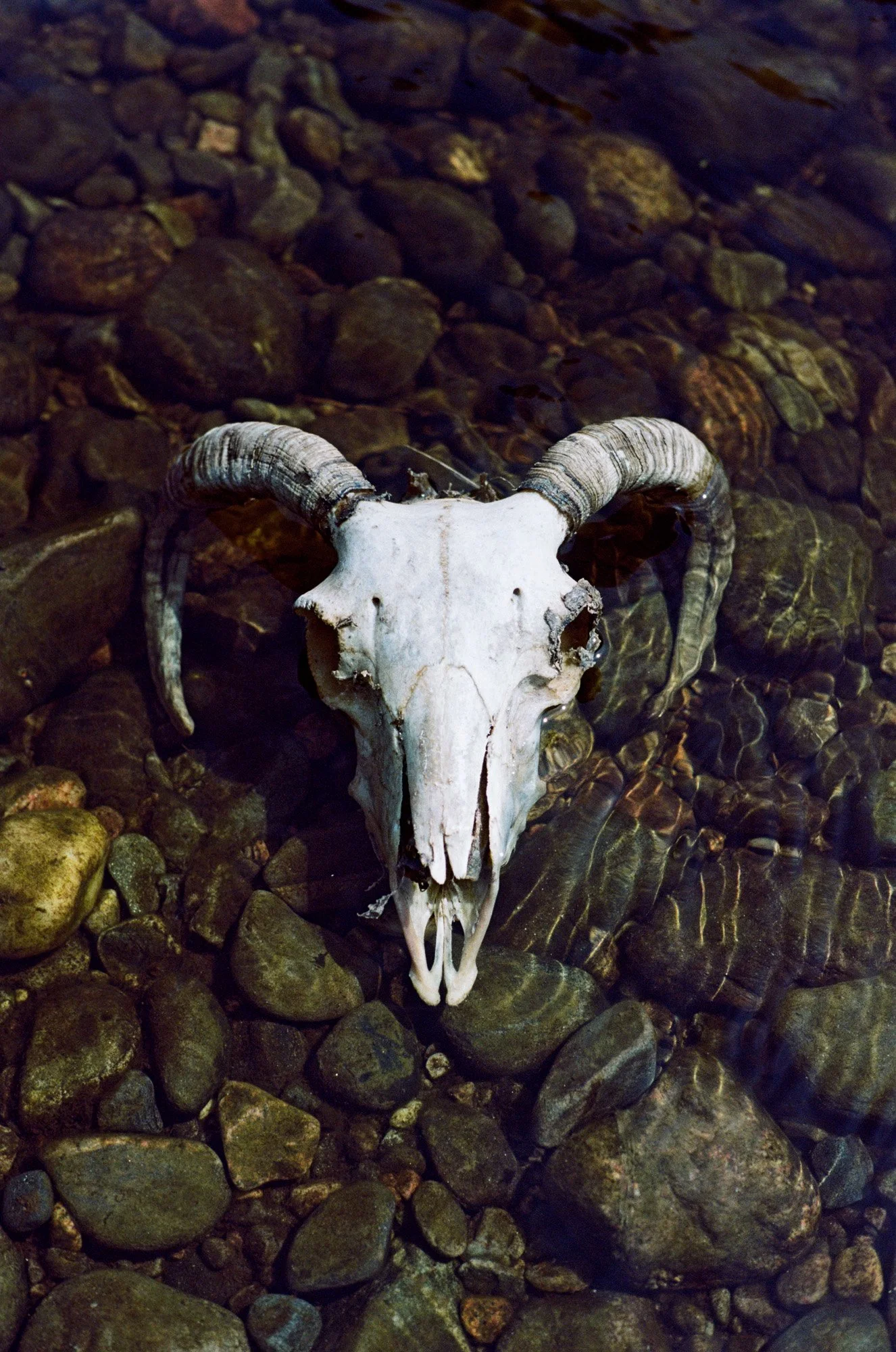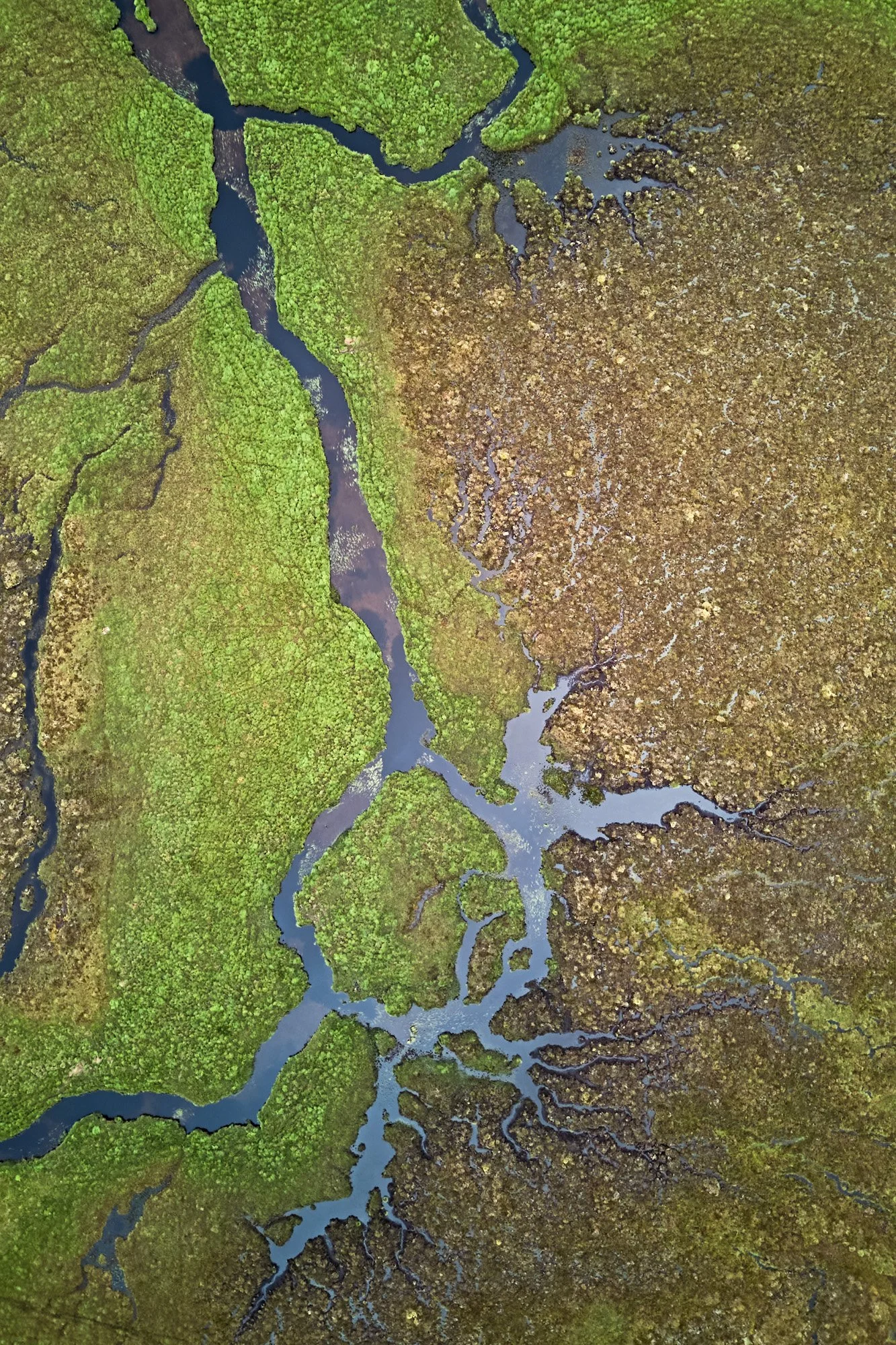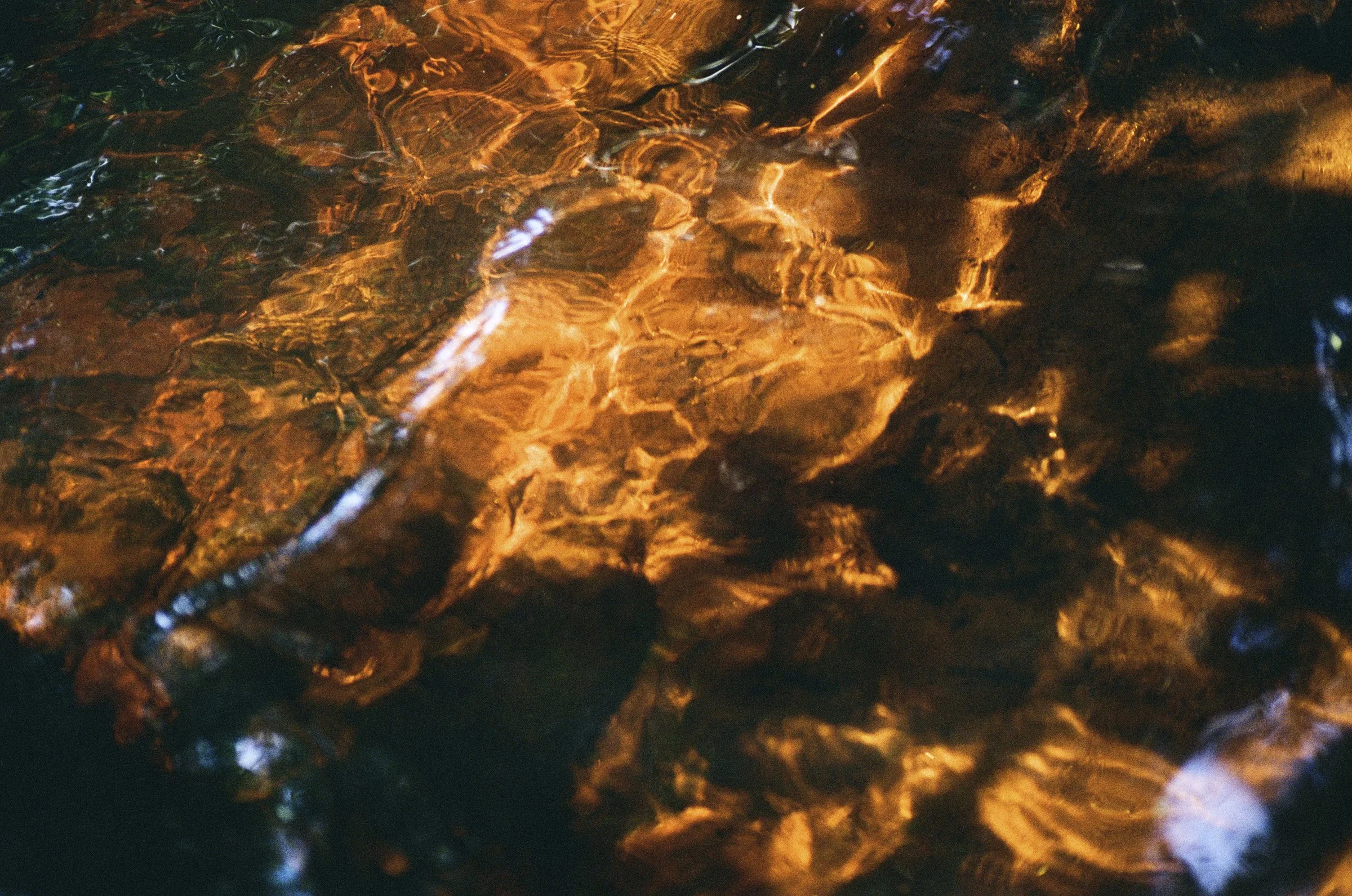
A multi-stage documentary capturing the environment, culture and community that lie along the course of the River Spey.
The River Spey is one of Scotland’s great rivers — geographically powerful, historically decisive, culturally formative, and economically vital. Flowing over 170 kilometres from the Monadhliath Mountains to the Moray Firth, it cuts through the Scottish Highlands, shaping not only landscapes but identities. This long-term photojournalistic project examines the Spey as a living artery where culture, environment, industry, and history converge.
The river is internationally recognised for its Atlantic salmon fisheries and as the backbone of Scotland’s whisky industry. More than half of the country’s single malt distilleries draw from its waters. Yet beyond its postcard beauty lies a complex and evolving story — one where environmental pressures, economic dependency, heritage preservation, and rural life intersect.

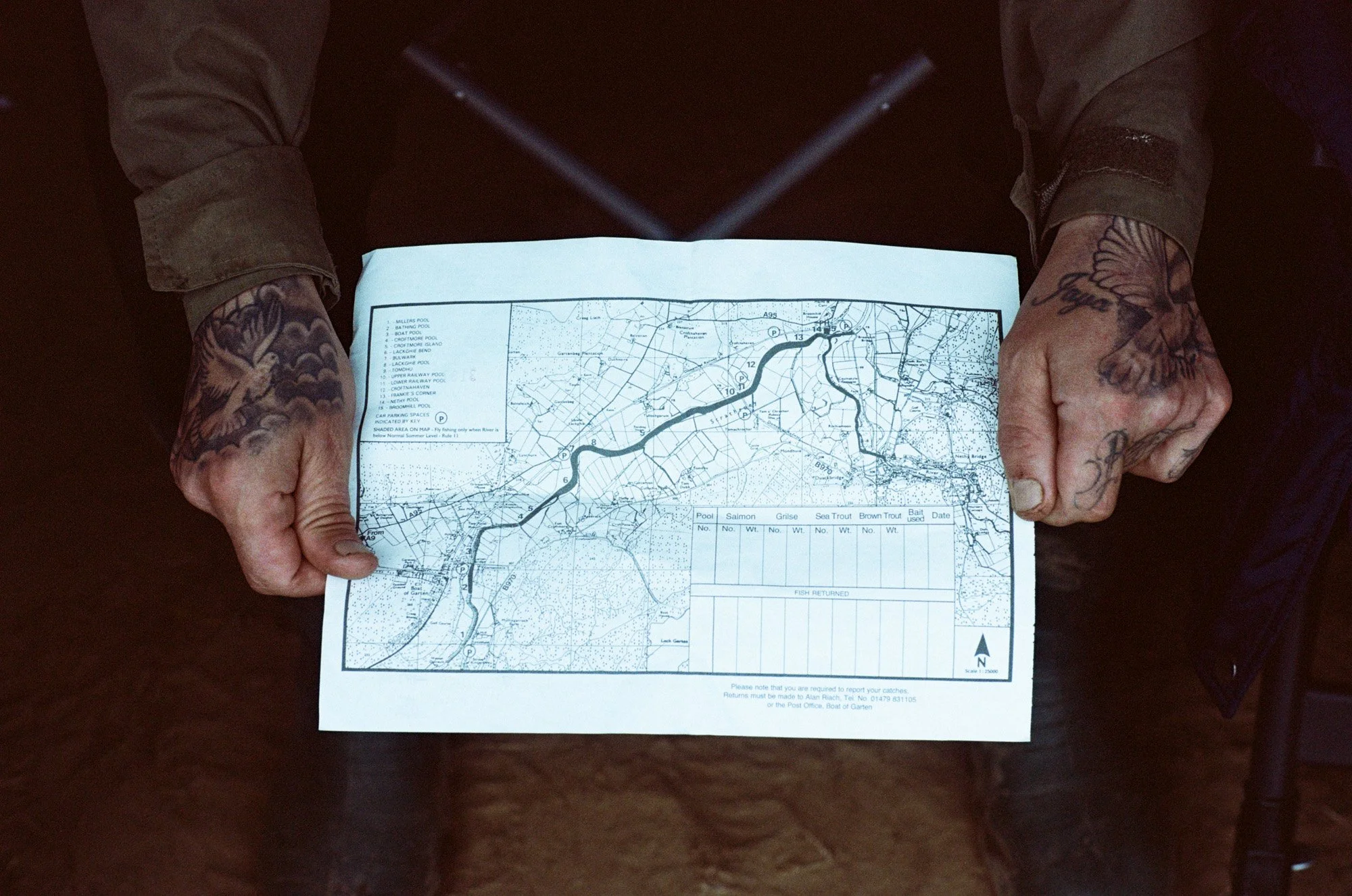
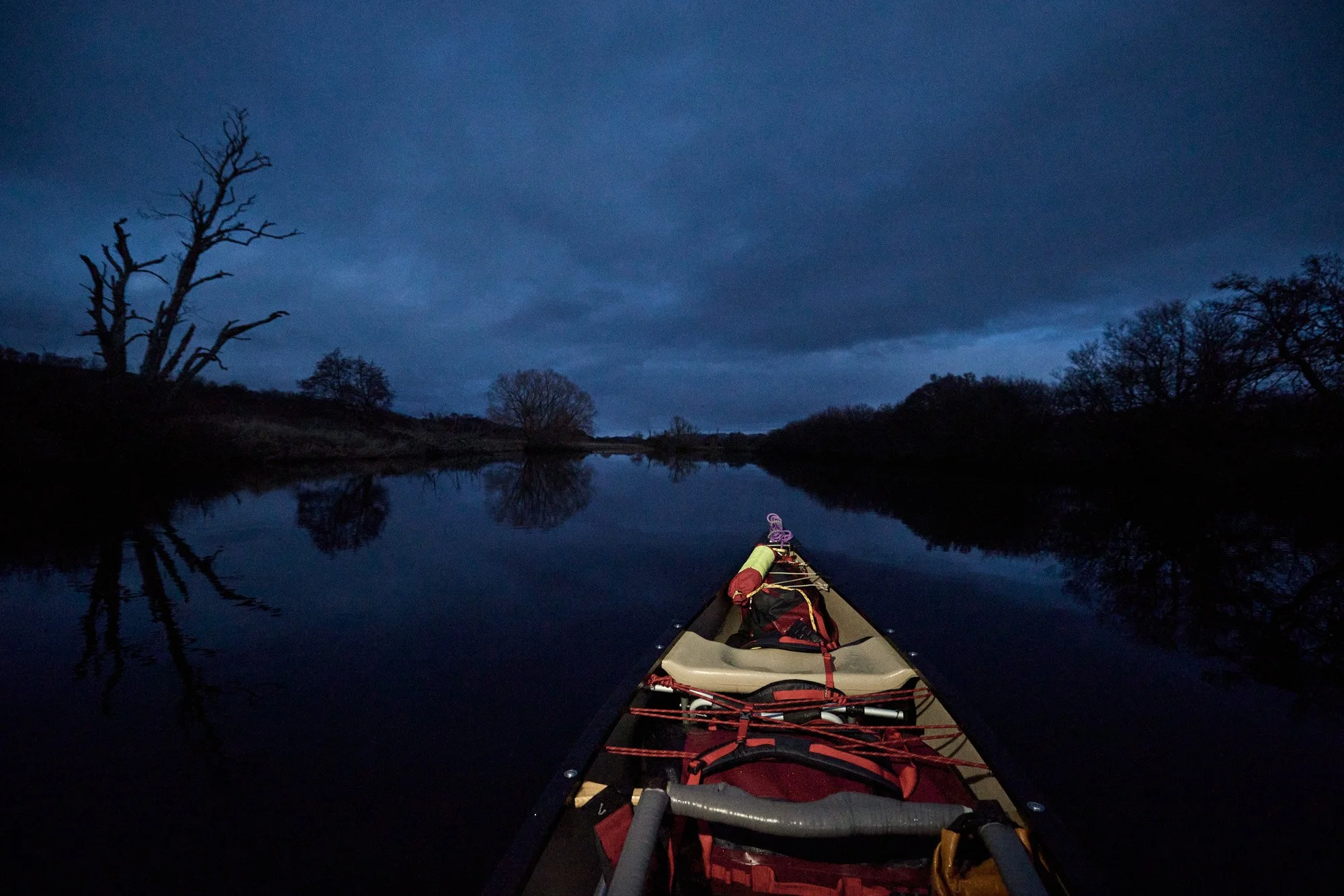
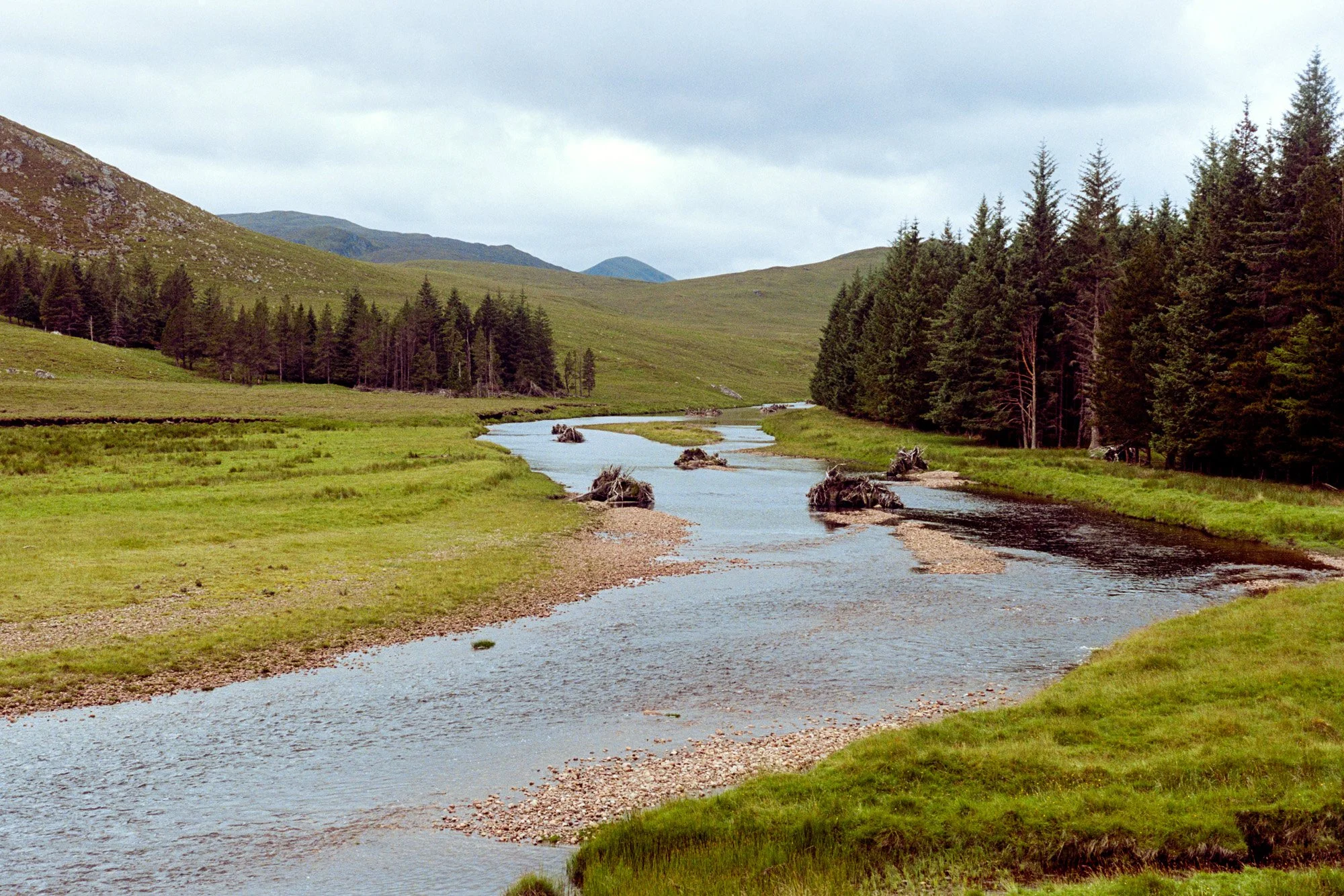
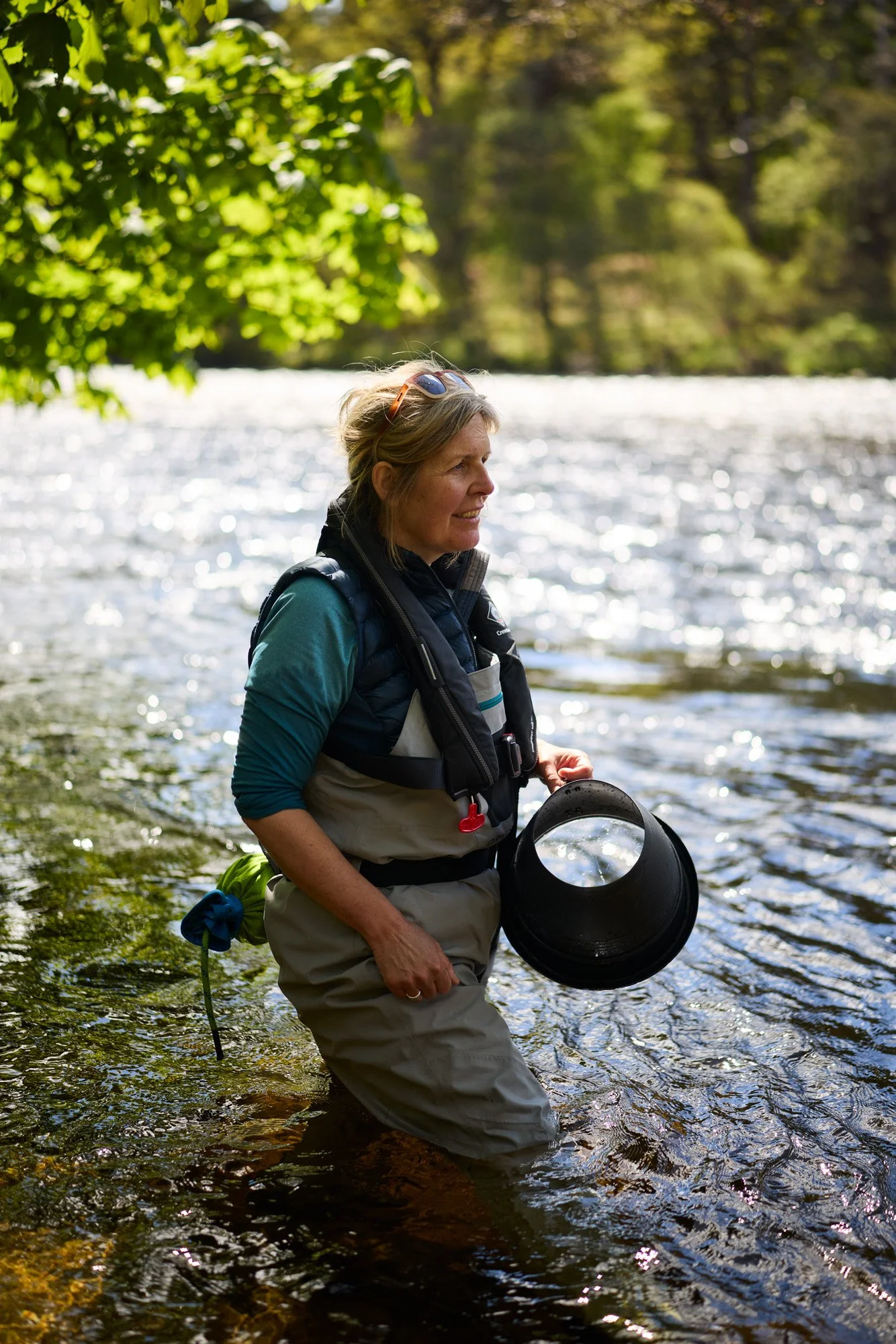
Environmentally, the river is both fragile and resilient. Climate change is altering water temperatures and salmon migration cycles. Flood events are increasing in frequency and severity, reshaping riverbanks and threatening settlements. Agricultural runoff, land management practices, and hydro-engineering projects further complicate the ecological balance. Through sustained visual reporting, this work observes the river’s seasonal transformations, conservation efforts, and the communities working to protect its biodiversity.
Culturally, the Spey defines place and belonging. From traditional ghillies guiding anglers on mist-covered mornings to Highland games held on its banks, the river remains central to rural identity. Generations of families have lived and worked alongside it. Oral histories, rituals, and working practices reveal a continuity that resists the narrative of rural decline often associated with the Highlands. At the same time, tourism and global branding — particularly linked to whisky — reshape how the river is represented and consumed internationally.
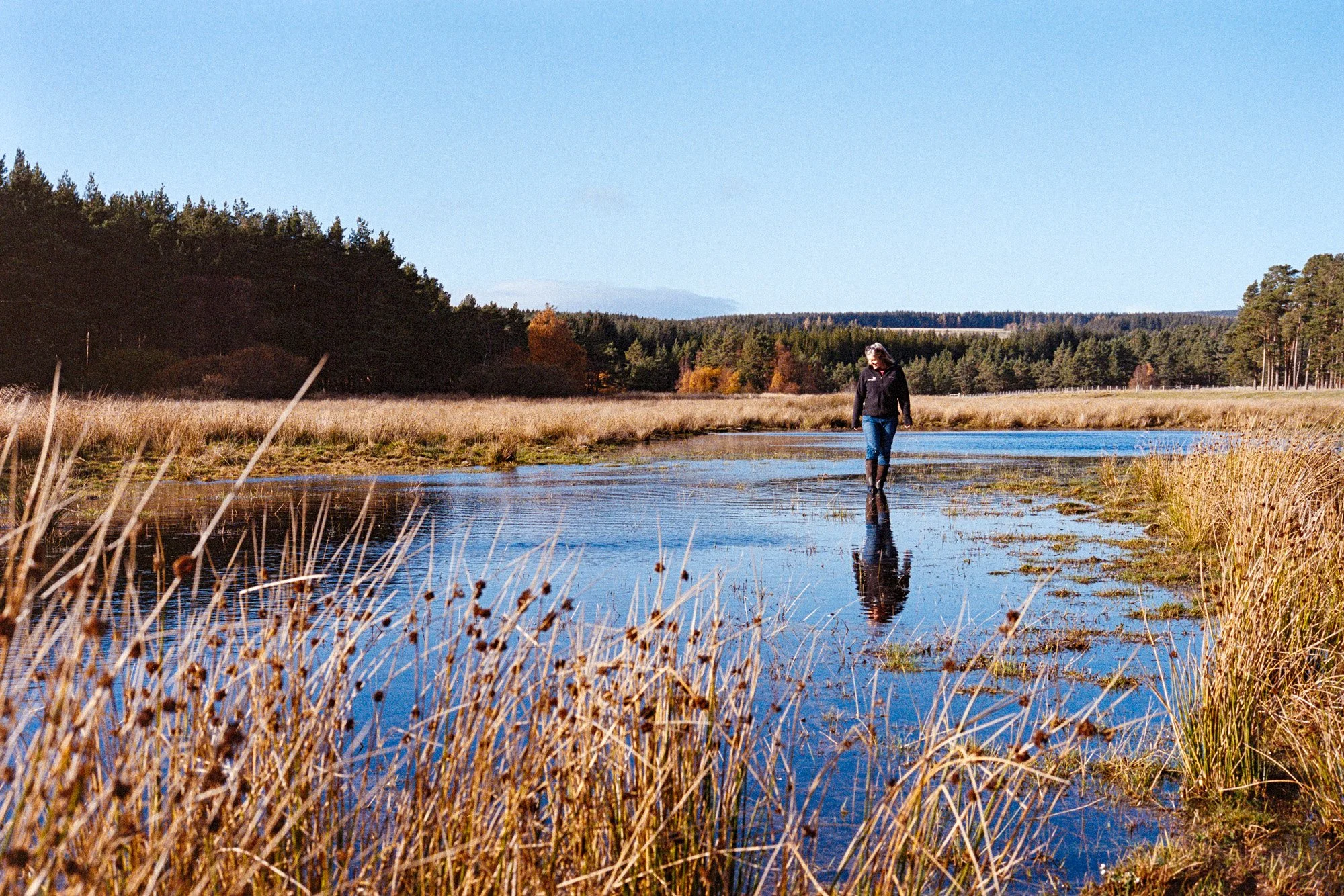
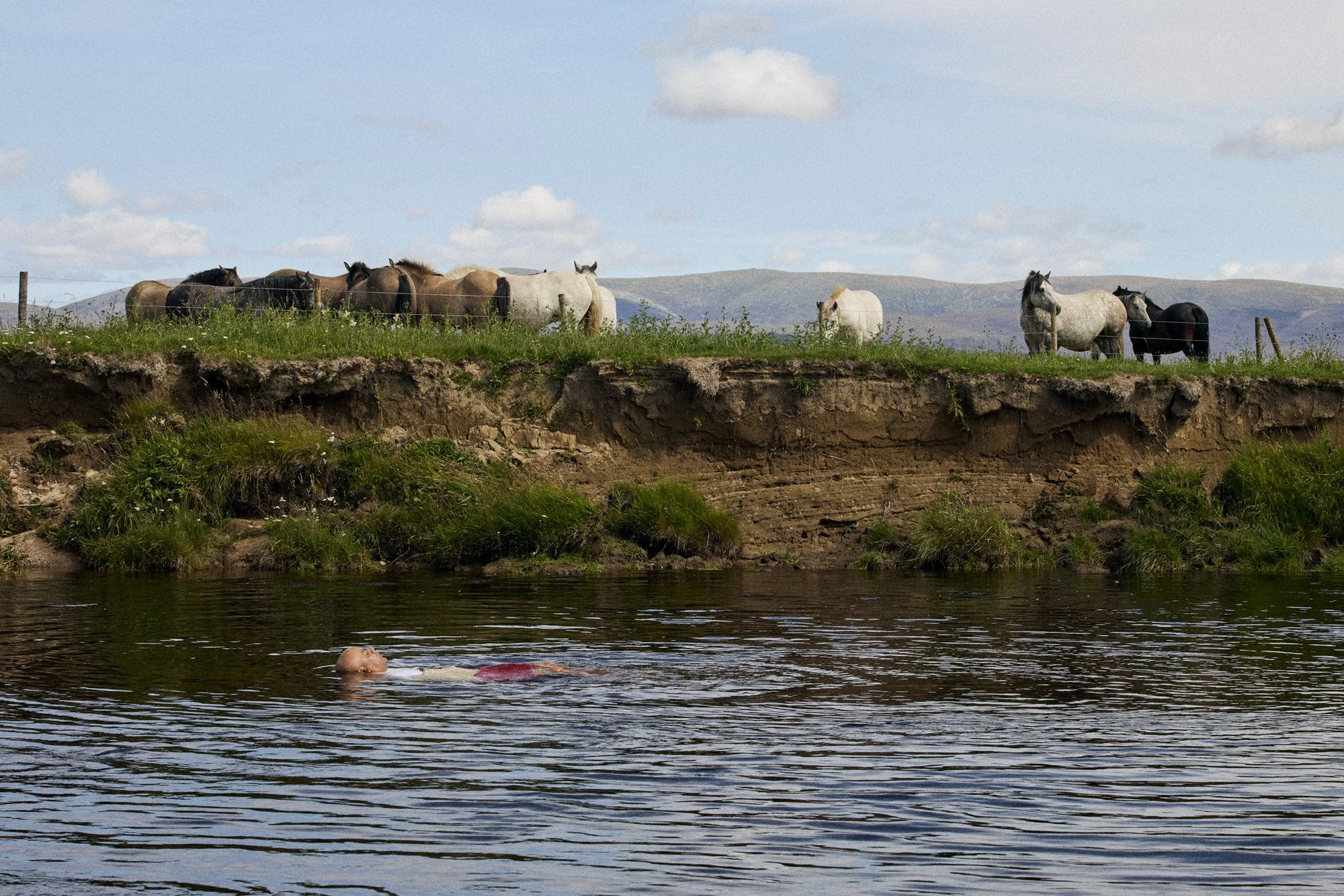
Historically, the Spey has been a boundary and a battleground. It has witnessed Jacobite uprisings, clan conflicts, agricultural clearances, and industrial expansion. Archival traces — bridges, rail lines, abandoned crofts, and former ferry crossings — remain embedded in the landscape. By visually linking past and present, the work explores how history continues to inform land ownership, economic power, and cultural memory in the Highlands.
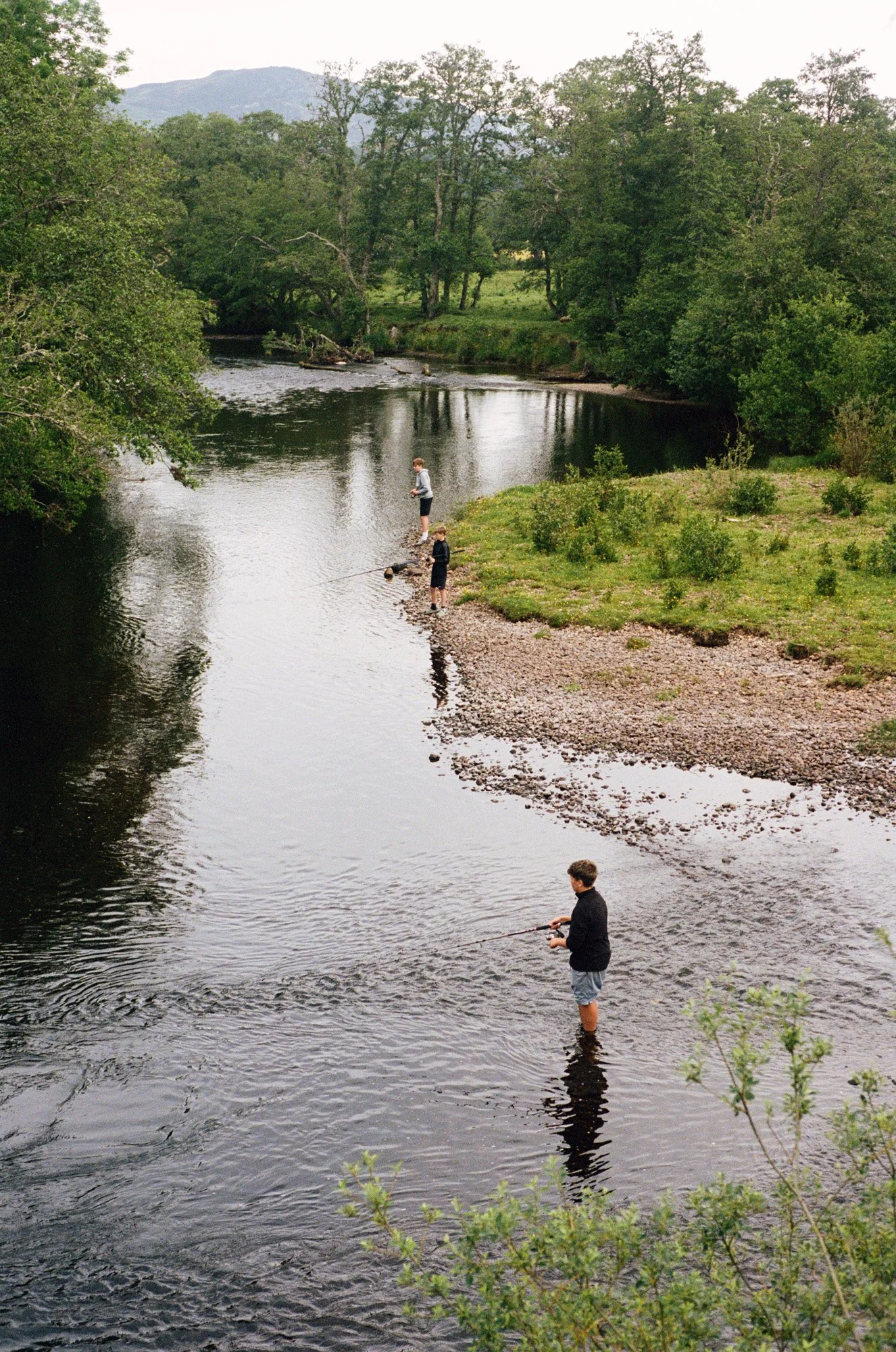
Rather than isolating these themes, the project approaches the Spey as a continuum. A salmon fisher standing waist-deep in the current becomes part of a global ecological conversation. A distillery manager monitoring water levels becomes connected to centuries of adaptation. A flooded field tells a story about both climate instability and historical land drainage practices. The river unifies these narratives.
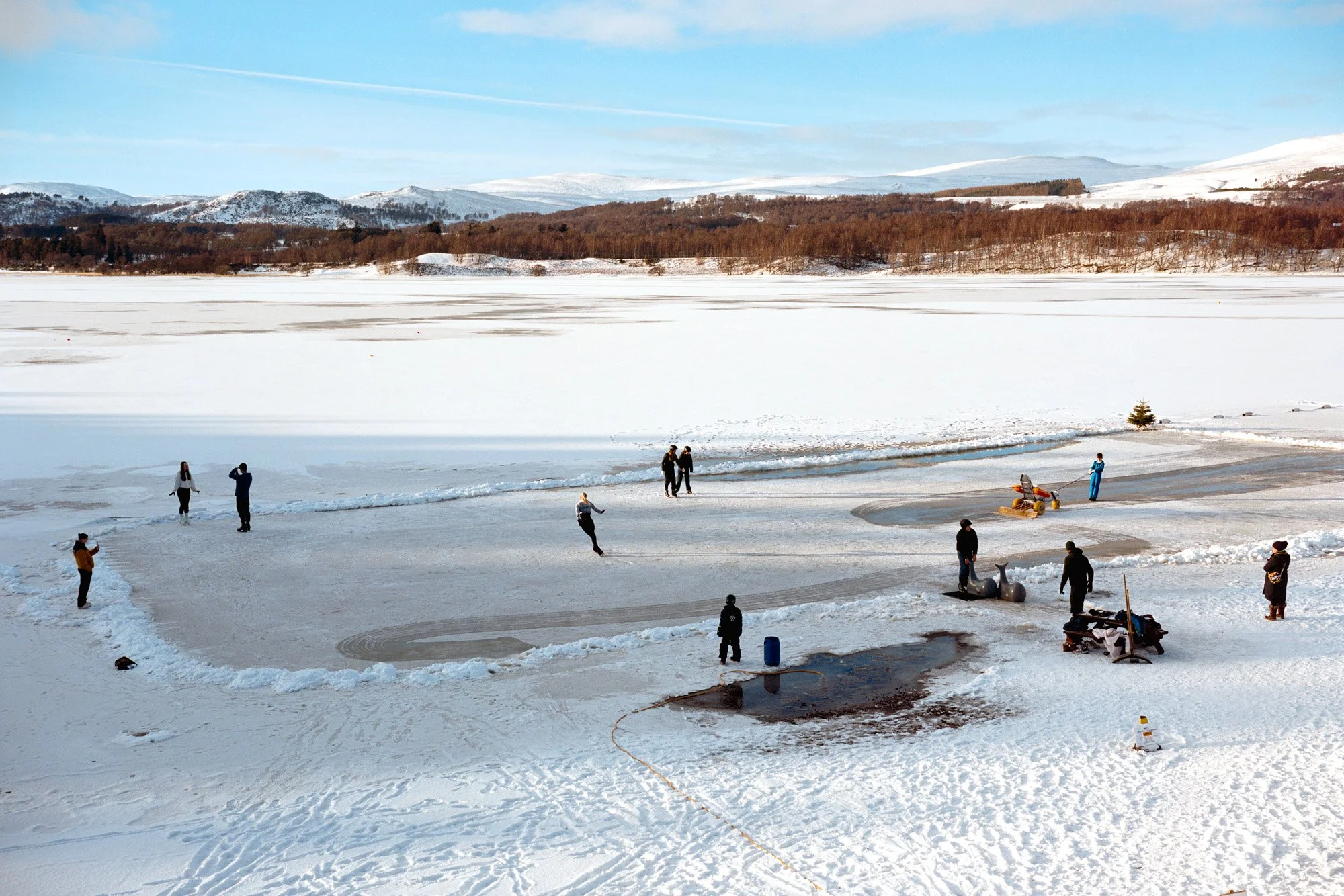
Photographed over an extended period and across seasons, the work prioritises observational depth and human presence. It combines environmental portraiture, landscape reportage, industrial documentation, and moments of quiet daily life. The aim is to move beyond romanticised Highland imagery and reveal a contemporary rural territory negotiating modern pressures while rooted in tradition.
The River Spey is not only a Scottish story. It reflects wider global tensions between heritage and globalisation, natural resource management and economic survival, environmental change and cultural continuity. By focusing on one river system, this project offers a lens through which broader questions of sustainability, identity, and rural resilience can be examined.
In an era when environmental crisis and industrial dependency are increasingly intertwined, the Spey becomes a microcosm of our shared future — a river that carries both memory and uncertainty toward the sea.
Exhibition launch dates and locations
Eleven41 Gallery, Kingussie
Launch evening 3rd July 6.30pm - 9.30pm
4th July - 23rd July, Wed - Sat
Glenmore Visitor Centre & Cafe
Launch evening 24th July 6.30pm - 9.30pm
25th July - 13th Aug, every day.
Boat of Garten Community Hall
Launch evening 14th August 6.30pm - 9.30pm
14th Aug - 3rd Sept, Mon - Fri
OPENSPACE|The Vault, Grantown-on-Spey
Launch evening 11th September 6.30pm - 9.30pm
12th Sept - 30th Sept, Wed - Sat
Glenlivet Estate Visitor Centre, Tomintoul
Launch evening 9th October 6.30pm - 8.30pm
12th Oct - 30th Oct
Mon - Fri